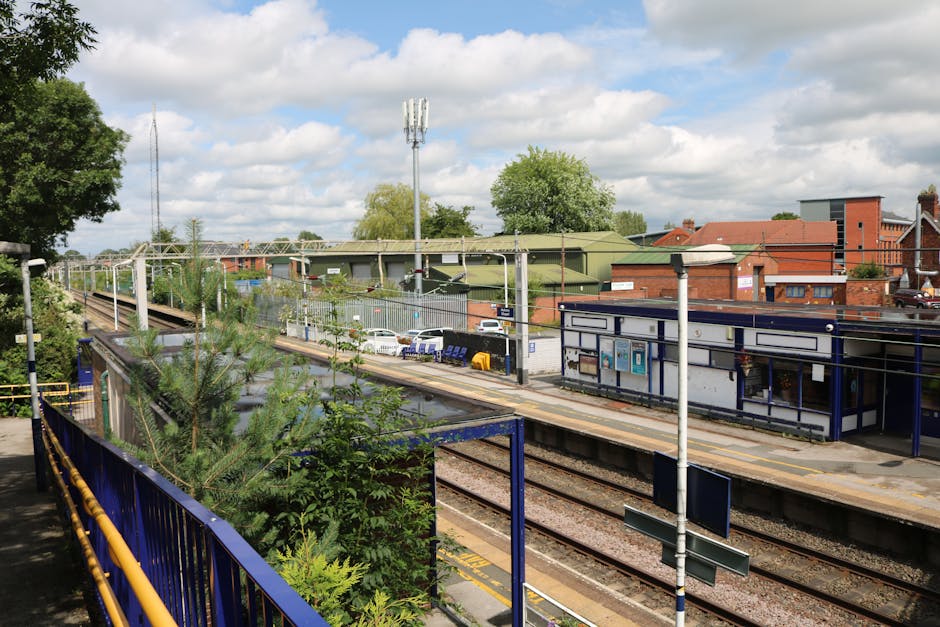
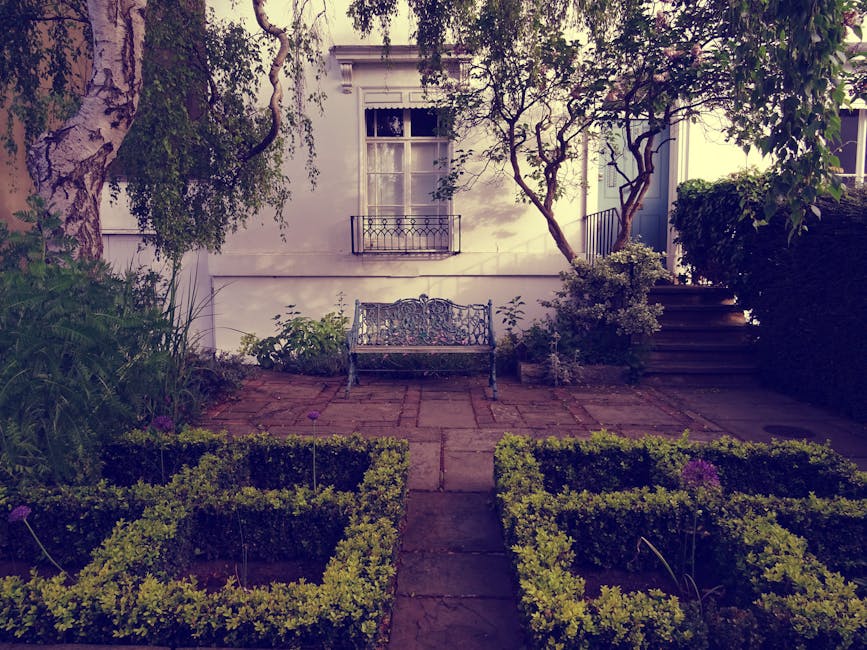
Alperton Station gardeners for small terraced gardens: practical ideas, local know-how, and space-smart results
Small terraced gardens can be lovely, but they can also feel a bit stubborn. One week they look manageable; the next, the paving is slick, the borders are crowded, and the one patch of sun has vanished behind a neighbour's fence. That is exactly where Alperton Station gardeners for small terraced gardens can make a real difference. With the right planting choices, tidy structure, and a plan that respects the limits of a compact London plot, even a narrow outdoor space can feel calmer, greener, and much easier to live with.
This guide breaks down what works, what usually goes wrong, and how to get a better result without overcomplicating it. Whether you want low-maintenance planting, a more private courtyard feel, or simply a garden that looks cared for from spring through winter, you will find practical steps here. And yes, there is a difference between "tidy enough for now" and genuinely well-designed. Lets face it, the difference is usually in the details.
Along the way, you'll also find useful service pages that can help you explore related needs, from garden maintenance and hedge trimming to lawn care, patio cleaning, and garden clearance. For bigger refreshes, it can also help to look at landscaping and tree surgery where the garden needs more than routine upkeep.
Table of Contents
- Why Alperton Station gardeners for small terraced gardens Matters
- How Alperton Station gardeners for small terraced gardens Works
- Key Benefits and Practical Advantages
- Who This Is For and When It Makes Sense
- Step-by-Step Guidance
- Expert Tips for Better Results
- Common Mistakes to Avoid
- Tools, Resources and Recommendations
- Law, Compliance, Standards, or Best Practice
- Options, Methods, or Comparison Table
- Case Study or Real-World Example
- Practical Checklist
- Conclusion
- Frequently Asked Questions
Why Alperton Station gardeners for small terraced gardens Matters
Small terraced gardens ask for a different kind of thinking. You are not trying to fill acres; you are trying to make a narrow, often shaded, sometimes overlooked space feel like part of the home. In a local area such as Alperton Station, where homes can sit close together and outdoor space is at a premium, the right gardener can turn an awkward strip into something genuinely useful.
Why does that matter so much? Because small gardens show everything. A patchy lawn looks patchier. A tired fence looks more tired. Overgrown shrubs can swallow the whole feel of the place. On the other hand, a sharp edge, a healthy climber, or a well-placed pot can lift the entire garden faster than people expect.
There is also a practical side. Terraced gardens often need smarter drainage, better storage solutions, and planting that does not fight the space. A gardener who understands compact layouts can save you from the common cycle of overbuying plants, squeezing them in, then removing half of them six months later. Been there, as they say.
If your outdoor area is linked to the rest of the property's upkeep, it is often worth thinking beyond the beds. Services like pressure washing can refresh hard surfaces, while grass cutting and weed control keep the garden from slipping into that "almost sorted" state that so many London back gardens seem to live in.
How Alperton Station gardeners for small terraced gardens Works
Good small-garden work usually starts with observation, not a shopping list. A skilled gardener will first look at the shape of the plot, how much light it gets, what the soil is like, how water drains, and which parts of the space are doing too much or too little. In a terraced garden, that usually means checking boundary walls, fences, access routes, and the places where people actually walk.
From there, the work is typically split into a few simple stages:
- Assessment: identifying what is worth keeping, what needs removal, and where the garden feels cramped.
- Clearance and tidying: removing dead growth, weeds, debris, and anything that blocks the useful structure of the garden.
- Shaping and structure: deciding where paths, pots, beds, screens, or focal points should sit.
- Planting and maintenance planning: choosing plants that suit the light, soil, and time you actually have available.
- Aftercare: setting a repeatable routine so the space stays attractive rather than falling back into disorder.
For many terraced gardens, the biggest improvement comes from simplifying. Not making the garden empty, but making it legible. You should be able to look out the back door and immediately understand the space. A small lawn, a gravel seating area, a couple of layered beds, maybe a climber or two. That kind of clarity makes a huge difference.
When the garden is especially compact, more specialist work may be needed. For example, if an old tree is blocking light or roots are causing trouble, tree surgery can sometimes be part of the solution. If the whole plot is a tangle of weeds and old timber, garden clearance may be the sensible first step before any neat design work begins.
Key Benefits and Practical Advantages
The benefits of working with experienced gardeners for a terraced garden are not just visual. They tend to show up in everyday use. You notice them when the garden feels less cramped, when watering takes less time, and when you stop avoiding the back door because the outside space looks like a weekend project that never ended.
Here are the most valuable practical gains:
- Better use of limited space: every metre is considered, so the garden feels intentional rather than squeezed.
- Less maintenance stress: the right plants and layout reduce the amount of constant cutting back and reworking.
- Improved privacy: careful screening can soften sightlines without making the garden feel boxed in.
- More seasonal interest: a small garden can still look good in winter if it has structure, bark, evergreen planting, and a few careful accents.
- Safer, tidier access: fewer trip hazards, less moss, and clearer paths matter more in small spaces than people think.
- Higher enjoyment: a garden you can actually use is the whole point, really.
There is a subtle but important advantage too: a well-managed terraced garden tends to age better. When structure is right, the space does not collapse visually every time one plant finishes flowering. That kind of resilience matters if you want the garden to look good in March, July, and late October without starting from scratch each time.
Expert summary: In small terraced gardens, the best results usually come from restraint, not excess. Clean structure, suitable planting, and regular maintenance will nearly always outperform a crowded design packed with plants that all want more room than the garden can give.
If you are also improving the front approach or side access, it can be sensible to combine garden work with fencing or driveway cleaning. Small spaces often feel bigger when the boundaries and entrances are in better condition. Little things, but they add up.
Who This Is For and When It Makes Sense
This kind of gardening service suits a broad range of households, but it is especially useful if your garden is narrow, shaded, overlooked, or simply hard to keep under control. Terraced houses often come with enough outdoor space to be useful, but not enough to absorb mistakes. That is where a more targeted approach pays off.
You may be a good fit if:
- your garden is small and rectangular, with limited side access
- you want a tidy, low-fuss space rather than a high-maintenance show garden
- you have inherited an overgrown plot and do not know where to start
- the garden feels dark or cramped and needs a lighter, more open feel
- you want seasonal planting without committing to a full redesign
- you have drainage, moss, or weed problems that keep returning
It also makes sense if you simply do not have the time. Small gardens can be deceptive. They look manageable. Then the grass needs cutting, the climbers need tying, the pots dry out, the hedge creeps, the patio stains, and suddenly there goes your Saturday. Truth be told, a compact garden often needs more precise care than a larger one, just not more brute force.
On the other hand, if you are planning to rebuild hard landscaping, re-level the space, or install new paving, you may want a broader service such as landscaping or a phased approach combining gardening with patio cleaning and planting updates. That keeps the job realistic and avoids doing everything at once.
Step-by-Step Guidance
Here is a practical way to approach a small terraced garden near Alperton Station, whether you are doing the work yourself or briefing a gardener clearly. This is the part that saves confusion later.
1. Start with the honest view
Stand at the back door and look out. What do you actually see? Overgrown shrubs, a tired fence, broken paving, a patch of lawn that never thrives, pots in the wrong place? Take a few photos in daylight. Morning and late afternoon can look quite different, and small gardens are especially sensitive to light changes.
2. Decide what the garden needs to do
A useful garden has a job. Do you want space for sitting, growing herbs, keeping children safe, storing bins neatly, or just making the room-to-garden view more attractive? Once the job is clear, the design gets much easier.
3. Clear before you decorate
If there are old plants, dead wood, broken edging, or unmanaged weeds, remove them first. Skipping this part is one of the main reasons small gardens end up looking busy but not better. If the situation is severe, a proper garden clearance may be the most efficient starting point.
4. Keep the structure simple
Choose one or two main hard surfaces, then let planting do the softening. A narrow terrace garden often benefits from repetition: three similar pots, one style of planting, a consistent edge. Too many materials can make it look chopped up. A bit of calm goes a long way.
5. Match plants to the site
Light levels matter more than fashion. A plant that looks lovely in a sun-baked courtyard may sulk in a shaded terraced plot. Use plants that can cope with your actual conditions, not the ones you wish you had. For many London gardens, that means thinking about shade, shelter, and wind, especially if the garden is enclosed by walls or fences.
6. Plan maintenance from the start
Ask yourself: who is going to trim, water, feed, deadhead, and sweep? If the answer is "nobody in particular," then the garden needs to be designed for light maintenance. Regular garden maintenance is often what keeps a good terraced garden looking good after the first tidy-up.
7. Finish with detail
Small spaces live or die by finishing touches. A clean edge, healthy mulch, a swept path, a fresh trellis, and one or two strong containers can make the whole thing feel cared for. Not flashy. Just right.
Expert Tips for Better Results
Small terraced gardens reward restraint and consistency. That sounds simple, but in practice it takes judgement. Here are the habits that tend to separate decent results from genuinely good ones.
- Use height carefully: vertical planting helps, but only if it does not block light or create a heavy feel.
- Repeat materials: one paving tone, one fence colour, or one family of containers can make a small space feel calmer.
- Choose evergreen structure: a few solid evergreen plants stop the garden looking empty in colder months.
- Keep a clear route: even a small garden should feel easy to move through, not like a maze of pots and corners.
- Think in layers: ground level, mid-height, and vertical points give depth without crowding.
- Protect the edges: small gardens often fail at the boundaries, so tidy fencing, edging, and walls matter more than people expect.
Here is a good rule of thumb: if the garden feels full before the planting has even matured, it is probably too full. Let some air in. Let the structure breathe. That one adjustment can change everything.
Another practical point is watering. Containers in small terraced gardens can dry out quickly in summer, especially on warm walls or sheltered patios. If the space includes lots of pots, use a simple watering schedule and group plants with similar needs together. It sounds boring, but boring is often what keeps gardens alive. Fair enough.
For regular mowing, edging, and tidy-up work, lawn care and grass cutting services can be helpful even if the lawn is tiny. And if the fence line keeps becoming a jungle, hedge trimming should probably be on the calendar, not just on the wish list.
Common Mistakes to Avoid
Most problems in small terraced gardens come from overfilling, underplanning, or ignoring maintenance until the garden becomes a job again. That cycle is familiar to many homeowners. The trick is catching it early.
- Buying plants before measuring the space: a plant can be attractive and still be the wrong size for the garden.
- Mixing too many styles: when every corner has a different material, the garden feels smaller.
- Ignoring shade and drainage: these are not minor details in London gardens; they shape what will actually survive.
- Leaving old roots and debris in place: it makes later maintenance harder and can keep weeds coming back.
- Using high-maintenance plants without a routine: lovely in theory, exhausting in practice.
- Forgetting access: if you cannot reach a bed comfortably, you will stop looking after it properly.
One subtle mistake is chasing perfection. Small gardens do not need everything to be symmetrical and finished at once. Sometimes a better result comes from doing three key things well, then letting the space settle. You can always refine it later. In fact, that is often the smarter route.
Tools, Resources and Recommendations
For basic upkeep, a compact toolkit is usually enough. You do not need a shed full of gear. In a terraced garden, storage is often tight anyway, so the best tools are the ones you will actually use.
| Task | Useful tools | Why it helps in a small terraced garden |
|---|---|---|
| Tidying and cutting back | Secateurs, loppers, hand saw, gloves | Lets you work precisely without damaging nearby plants or fence lines |
| Weeding and edging | Hand fork, edging tool, hoe | Small borders need control, not aggressive digging |
| Planting and pot care | Trowel, watering can, compost scoop | Makes container and border work easier in tight spaces |
| Surface care | Stiff broom, patio brush, pressure washer where appropriate | Keeps patios and paths from making the whole space look tired |
| Ongoing upkeep | Mulch, feed, twine, plant labels | Supports healthier plants and simpler seasonal maintenance |
As for resources, the most useful ones are often simple and local: a plant list suited to partial shade, a reliable maintenance plan, and a clear idea of how often the space will be visited. If you are away often, choose lower-fuss planting. If you enjoy gardening at weekends, you can be a little bolder. That part is personal, and it should be.
It can also help to think in service layers. A first visit might include clearance and pruning. Later visits can focus on planting, shaping, and weed control. If the hard surfaces are the real issue, then patio cleaning may give the biggest visual win per hour spent.
Law, Compliance, Standards, or Best Practice
For typical garden maintenance, there is usually no complicated legal process involved, but it is still wise to follow good practice. In terraced areas, one practical consideration is how work affects boundaries, access, and neighbouring properties. Hedges, trees, fences, and overhanging growth can become sensitive quickly, so careful communication matters.
In the UK, a professional gardener or landscaper should also work safely and sensibly around tools, ladders, waste removal, and electrical equipment. If work involves larger trees, root issues, or anything that affects shared boundaries, it is worth getting appropriate guidance before cutting back heavily. That is especially true where a tree surgeon may need to assess risk, structure, or safety in a more formal way.
Best practice in a small terraced garden usually includes:
- checking property boundaries before major pruning or removal
- disposing of garden waste responsibly
- avoiding damage to shared walls, fences, drains, or paving
- using suitable plants for the light, soil, and moisture levels
- maintaining safe access across paths and steps
If a job is more than routine trimming, ask for a clear scope of work. That is not being difficult; it is just sensible. A straightforward conversation early on can prevent awkward surprises later. And frankly, in a small garden, surprises are rarely welcome.
Options, Methods, or Comparison Table
Not every terraced garden needs the same approach. Some just need routine care, while others need a total reset. Here is a practical comparison that may help you decide what sort of help is most appropriate.
| Approach | Best for | Pros | Trade-offs |
|---|---|---|---|
| Routine garden maintenance | Gardens that are already in decent shape | Low disruption, easy to repeat, keeps everything tidy | Won't solve major design problems on its own |
| Clearance plus tidy-up | Overgrown or neglected spaces | Fast visual improvement, creates a blanker starting point | May still need follow-up planting or redesign |
| Planting refresh | Gardens that lack interest but have a sound structure | Improves colour, texture, and seasonal appeal | Needs the right aftercare and watering |
| Full landscaping | Spaces with poor layout, drainage, or tired hard landscaping | Can transform the whole garden | More time, more planning, usually a bigger budget |
For many homes near Alperton Station, the sweet spot is somewhere between routine maintenance and a targeted refresh. That way, you get improvement without overcommitting to a full rebuild. Sensible, really.
Case Study or Real-World Example
Imagine a narrow terraced garden with a short patio, a patchy lawn, and two large shrubs pressing into the walking space. The back wall is shaded for much of the day, and the fence line is tired enough that the whole place feels darker than it should.
The first pass is not glamorous. A gardener clears debris, cuts back the shrubs, removes weeds from the edging, and trims the plant growth so the boundaries become visible again. That alone already helps. The garden stops feeling like one continuous lump.
Next comes the structure. The patchy lawn is assessed honestly. If it is beyond easy repair, it may be reduced or reshaped into a smaller, easier-to-manage green area, with a more durable surface or planting section elsewhere. The seating area is cleaned, and a couple of pots are added near the door where they can be seen and enjoyed daily.
Then the planting is simplified. Shade-tolerant plants are used to soften the fence line. One climber is trained carefully rather than letting several compete. A few repeated containers create rhythm. Nothing is crowded. Nothing is fighting for attention.
The result is not dramatic in a showhome sense. It is better than that. The garden becomes easy to use. It feels a bit wider, a bit calmer, and much less like a chore. That is usually the real win in a small terraced home. Not perfection. Relief.
Practical Checklist
Use this checklist before booking work or starting your own refresh:
- Measure the garden and note the narrowest points
- Check how much sun and shade each area gets across the day
- List what must stay, what can go, and what needs replacing
- Look for drainage issues, moss, or water pooling
- Decide whether the main need is tidy-up, planting, or redesign
- Confirm access for tools, waste removal, and plant delivery
- Choose low-maintenance plants if time is limited
- Set a simple maintenance rhythm for mowing, pruning, and weeding
- Consider whether patio, fence, or tree work is needed too
- Take before photos so you can compare progress properly
If you can tick most of those off, you are in a good position to brief a gardener clearly. If not, that is fine too. Better to find out now than halfway through the job.
Conclusion
Small terraced gardens do not need to be big to be beautiful, useful, or genuinely satisfying. They just need the right handling. That is the real value of experienced Alperton Station gardeners for small terraced gardens: they understand how to work with limited space, local conditions, and the realities of busy home life without turning everything into a major project.
Whether your goal is simple upkeep, a cleaner layout, healthier planting, or a full refresh, the smartest approach is usually steady, practical, and tailored to the garden you actually have. Not the one from a magazine. The one outside your back door, with its odd shade, noisy fence, and one lovely sunny corner at 4pm.
If you want to improve the feel of your home without adding stress, start small, keep it realistic, and build from there. Gardens like these reward patience more than spectacle, and that is part of their charm.
Get a free quote today and see how much you can save.
Sometimes the smallest garden changes make the biggest difference to how a home feels. And that, honestly, is worth doing well.
Frequently Asked Questions
What do Alperton Station gardeners for small terraced gardens usually help with?
They typically help with pruning, weeding, lawn care, planting, hedge trimming, clearance, patio cleaning, and general tidying. In smaller terraces, they may also help with layout improvements so the space feels less cramped and easier to maintain.
How often should a small terraced garden be maintained?
That depends on the planting and use of the space, but many small gardens benefit from regular attention rather than occasional big jobs. A light monthly visit can be enough for some gardens, while others may need more frequent weeding, mowing, or trimming during the growing season.
Is a full redesign necessary for a small terrace garden?
Not always. In many cases, a better structure, a simple planting refresh, and cleaner surfaces are enough to transform the feel of the garden. A full redesign makes sense mainly when the layout, drainage, or hard landscaping is the real problem.
What plants work best in small terraced gardens?
The best plants depend on light, shelter, and soil, but compact, repeatable planting often works well. Shade-tolerant plants are useful in enclosed gardens, while containers can add flexibility if you want seasonal colour without committing to large borders.
Can a very overgrown garden be saved without starting from scratch?
Often, yes. A careful clearance, selective pruning, and a phased plan can rescue a lot more than people expect. Sometimes a full reset is the better option, but many overgrown terraces improve significantly once the structure is visible again.
How do I make a small terraced garden feel bigger?
Keep the design simple, use repeated materials, avoid overcrowding, and make sure there is a clear walking route. Light-coloured surfaces, vertical planting used sparingly, and tidy edges can all help create a more open feel.
Do I need professional help for patio cleaning and garden clearance?
If the surfaces are heavily stained, slippery, or hard to clean safely, or if the garden is badly overgrown, professional help can save time and reduce hassle. It is also useful when you want clearance and cleanup done in a single organised visit.
Are there any boundary issues I should watch for in terraced gardens?
Yes. Shared boundaries, fences, walls, and overhanging growth can all become awkward if handled roughly. It is sensible to be careful with pruning, check what belongs where, and communicate with neighbours if the work could affect shared structures.
How much maintenance does a low-fuss small garden actually need?
Usually less than a high-diversity planting scheme, but not zero. Even low-maintenance gardens need seasonal attention, some watering in dry spells, and occasional cutting back. The idea is to reduce work, not eliminate it entirely.
Can hedge trimming make a small garden look better quickly?
Absolutely. If hedges or tall shrubs are dominating the space, trimming them can open up light, improve sightlines, and make the whole garden feel less crowded almost immediately.
What is the difference between garden maintenance and landscaping?
Garden maintenance is the ongoing care that keeps the garden in good order, such as mowing, pruning, and weeding. Landscaping is broader and may include changing the layout, installing new surfaces, building features, or redesigning the space more substantially.
When is the best time to book work on a terraced garden?
That depends on what needs doing. Clearance and pruning can often happen at several points in the year, while planting is usually best timed to suit the season and the specific plants. If you are unsure, ask for advice based on your garden's conditions rather than guessing.
Is it worth combining garden work with fence or surface improvements?
Often, yes. In a small terraced garden, the boundary lines and hard surfaces have a big visual impact. A tidy fence, clean patio, and simple planting scheme can work together to make the whole area feel much more finished.
If you are planning improvements near Alperton Station, a careful local approach is usually the safest bet. Keep it simple, keep it practical, and the garden will start giving back in no time.