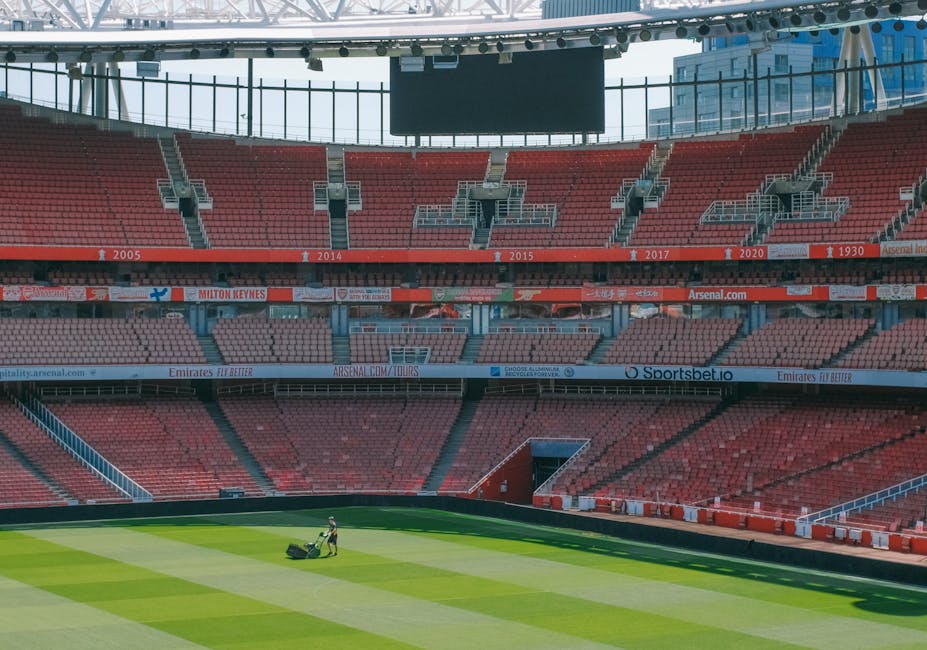
Gardeners for Wembley Stadium view screening projects

If you are planning a garden screening project with Wembley Stadium in mind, you are probably after two things at once: a clean, attractive finish and a view that feels deliberate rather than boxed in. That is exactly where experienced gardeners for Wembley Stadium view screening projects make a difference. The right screening can soften overlooked boundaries, reduce street noise a touch, and create privacy without making the space feel shut away. It sounds simple. In reality, the details matter quite a bit.
Whether you are improving a private garden, a hospitality terrace, a communal outdoor area, or a landscaped frontage near the stadium, the process needs proper planning. You have to think about height, light, wind, materials, planting, maintenance, and how the space is used day to day. This guide walks through the whole picture in plain English, so you can make better decisions and avoid the usual mistakes that turn a promising scheme into an awkward one.
For readers comparing wider outdoor services as part of the same project, you may also want to review the site's services overview, especially if screening is only one part of a broader garden refresh. And if the project involves reshaping the whole space, the pages on landscaping and landscape gardening are useful reference points.
One quick note before we get into it: screening is not just about hiding something. Done well, it frames a view. That little shift in thinking changes everything.
Table of Contents
- Why Gardeners for Wembley Stadium view screening projects matters
- How Gardeners for Wembley Stadium view screening projects works
- Key benefits and practical advantages
- Who this is for and when it makes sense
- Step-by-step guidance
- Expert tips for better results
- Common mistakes to avoid
- Tools, resources and recommendations
- Law, compliance, standards, or best practice
- Options, methods, or comparison table
- Case study or real-world example
- Practical checklist
- Conclusion
- Frequently Asked Questions
Why Gardeners for Wembley Stadium view screening projects Matters
Wembley is not a quiet backwater. It is a busy, high-footfall part of London where outdoor spaces often need to work harder than average. Views can be brilliant, but they can also be exposed. If your garden, terrace, or commercial frontage looks directly towards a road, neighbouring property, service area, or another busy line of sight, screening becomes part design, part problem-solving.
Good screening does more than block a view. It can define the edge of a space, create a sense of comfort, and make an outdoor area feel usable for longer periods of the year. That is especially relevant in urban settings where the wind picks up around open corners and the eye naturally looks for softness. A well-finished screen can take a hard-looking boundary and make it feel calm. A bad one, on the other hand, can look like a patchwork fix. You know the type: a bit too tall, a bit too narrow, and somehow more noticeable than the thing it was meant to hide.
There is also a practical side. Many screening projects are part of wider garden maintenance or refurbishment work, so they need to fit with mowing access, hedge lines, drainage, paths, and seating areas. If that broader upkeep matters to you, it is worth looking at garden maintenance and lawn mowing as part of the planning process, because screening that blocks routine access is a headache waiting to happen.
In real terms, the best projects are the ones that feel obvious after they are done. You stop noticing the problem, and you start noticing the space. That is the goal.
How Gardeners for Wembley Stadium view screening projects Works
A solid screening project usually starts with a simple question: what exactly are we screening, and from where? The answer sounds basic, but it drives every other decision. A line of tall planting is very different from a timber fence with climbing plants, and both are different again from layered hedging with semi-permeable panels.
The usual process looks something like this:
- Assess the site and the sightline. Stand where the view matters most, then look at what is actually visible. Is the issue height, density, angle, or distance?
- Check the space and constraints. Measure the usable width, depth, and height limits. Account for doors, windows, bins, paving, and maintenance access.
- Choose the screening type. This may be planting, fencing, trellis, mixed borders, or a combination. The best answer is often a mix, not a single feature.
- Plan the supporting structure. If the screen is planted, you may need improved soil, irrigation, or wind protection. If it is built, you may need posts, fixings, or a base that can cope with weather.
- Install with growth and upkeep in mind. A screen that looks perfect on day one but becomes a maintenance nightmare by month six is not a win.
- Review and refine. After installation, a quick reassessment helps. Sometimes a small adjustment in height or spacing makes the whole thing work better.
That is the practical version. Of course, every site has its own oddities. A terrace that catches gusts from one direction. A boundary that needs privacy but still wants daylight. A view that changes depending on whether you are standing, seated, or looking from indoors. Little things, but they matter more than people expect.
If the project involves overgrown borders or tired boundary planting, pairing screening with hedge trimming or tree lopping and removal may be part of the solution. Sometimes the best screen is not adding more; it is shaping what is already there.
Key Benefits and Practical Advantages
The obvious benefit of screening is privacy. Fair enough. But the better projects usually deliver several advantages at once, and that is where the value really shows up.
- More usable outdoor space. People relax more when they do not feel on display.
- Better visual organisation. Screening can create zones for dining, seating, storage, or planting.
- Softened edges. A boundary that feels hard or cluttered can become part of the design.
- Improved sense of enclosure. This can make a garden feel more welcoming, especially in open urban settings.
- Potential wind reduction. Not total shelter, obviously, but enough to make a patio more pleasant.
- Year-round structure. Even when plants are dormant, a thoughtfully chosen screen can keep the space looking intentional.
There is another benefit people do not mention enough: a good screen can reduce decision fatigue. Once the boundary is solved, the rest of the garden becomes easier to plan. Furniture placement, lighting, and planting all start to make more sense. The space stops fighting itself.
Practical takeaway: the best screening is not necessarily the tallest or most expensive. It is the one that fits the site, supports maintenance, and still looks good from the places people actually sit, walk, and look.
Who This Is For and When It Makes Sense
This kind of work makes sense for a wide range of property owners and managers around Wembley Stadium. That includes homeowners, landlords, venue operators, small businesses, hospitality settings, and property teams managing shared outdoor areas. If people can see too much, if a boundary feels unfinished, or if the space never quite gets used properly, screening is worth considering.
It is especially useful if you are dealing with one of these situations:
- a garden overlooked by neighbouring windows;
- a terrace that feels exposed from the street;
- a seating area that needs to feel calmer and more private;
- a boundary where old hedges have thinned out;
- a project that needs both design and function, not just one or the other;
- an outdoor area that is part of a larger landscaping or refurbishment plan.
Sometimes people put screening off because they think it will look too formal or block too much light. That can happen, if the wrong approach is chosen. But the right mix of planting and structure can give privacy without making the area feel like a bunker. The trick is balance.
If you are working from a tired or cluttered plot, a preliminary garden clearance may be the smartest first move. Clearing the site properly often reveals design options that were hidden under the mess, which is more common than you'd think.
Step-by-Step Guidance
Here is a practical way to approach a screening project without getting lost in the options.
1. Define the problem clearly
Ask what you need the screen to do. Privacy? Noise softening? A better backdrop for planting? Hiding storage? All of the above? Be precise. "Make it nicer" is understandable, but it is not enough to brief a good project.
2. Map the sightlines
Stand in the positions that matter most: the back door, the main seating area, the kitchen window, the communal access point. Look from seated height as well as standing height. You may find the real problem is lower than expected. That happens a lot.
3. Set the design priorities
Decide what matters most between privacy, daylight, airflow, low maintenance, cost, and visual softness. If you want all five, the budget and layout need to reflect that. Something has to give, usually.
4. Choose the screening strategy
You might use a single layer, such as a hedge or fence, or a multi-layer approach with trellis, shrubs, and climbers. In tighter urban spaces, layered screening often works better because it feels less heavy. In more exposed spots, sturdier structure matters more.
5. Check maintenance implications
This is the bit people underestimate. Screening plants grow. Timber weathers. Fixings loosen. Gravel and mulch shift. Ask yourself: who is going to maintain this, and how often? If the answer is "no one, ideally," then the design needs to be robust and forgiving. Life is busy enough.
6. Build or plant with space to breathe
A screen needs enough room to establish properly. Crowding it against a wall or path can cause long-term issues. Let roots, stems, and access do their thing.
7. Review after installation
After the first few weeks, walk the space again. See where the view still leaks through. Check whether the screen is too dominant or too sparse. Small corrections at this stage are usually far cheaper than a rebuild later.
Expert Tips for Better Results
In practice, the projects that age well tend to follow a few simple habits.
- Use layered height changes. A screen that rises gradually often looks more natural than a straight wall of material.
- Think about winter as well as summer. A leafy screen can be lovely in August and bare in January. Plan for the colder months too.
- Match material to the setting. Timber, composite, planting, metal, or mixed systems all send a different visual message. Wembley spaces often benefit from cleaner lines, but not always.
- Keep maintenance access in the design. If a hedge needs trimming, make sure a ladder or tool can safely reach it.
- Allow for drainage. Waterlogged borders weaken plants and shorten the life of built features.
- Plan around light. You want screening, not a dark cave. A semi-transparent layer can be better than total blockage.
One of the best bits of advice? Visit the space at different times of day. Morning light can be very different from late afternoon glare. And on a damp London morning, everything feels just a touch closer anyway. Funny how that works.
If your screen is part of a wider redesign, services such as decking services can help create a more usable surface beneath seating or planting zones. That can make the screen feel integrated rather than bolted on.
Common Mistakes to Avoid
Most screening problems are not dramatic. They are just small planning mistakes that compound over time.
- Choosing height before function. Taller is not always better.
- Ignoring maintenance. A dense hedge is lovely until it is blocking access or dropping debris everywhere.
- Overlooking wind exposure. Thin panels or young planting can struggle badly in exposed places.
- Mixing styles without a plan. A bit of everything can look messy if the design has no clear logic.
- Forgetting the view from inside. The garden may look good outside, but what about the kitchen window?
- Installing too close to boundaries or structures. Long-term growth and access need room.
Another common issue is trying to solve a screening problem with a single product. To be fair, that is understandable. People want one simple fix. But many successful projects use two or three components working together. A hedge for softness, a fence for structure, a climber for texture. Much better.
And if the area is already uneven, weed-choked, or half-finished, do not skip the groundwork. Poor prep is where most disappointment starts. The glossy top layer cannot save a bad base. It just can't.
Tools, Resources and Recommendations
You do not need a warehouse of specialist gear for every screening project, but you do need the right tools for the job. The exact list varies depending on whether you are planting, constructing, or maintaining, yet the following are commonly useful:
- measuring tape and site marker pegs;
- spirit level and string line for straight runs;
- pruning tools for establishing and maintaining hedges;
- sturdy gloves and eye protection;
- soil improver, compost, or mulch for planting schemes;
- fixings and posts suitable for the chosen screen material;
- watering equipment for new planting;
- basic access equipment where safe and appropriate.
For ongoing upkeep, the most useful "resource" is a sensible maintenance plan. That might include seasonal trimming, spot replacement of weak plants, cleaning of hard surfaces, and checks on posts or panels after storms. If you want a single service to keep the wider space under control, garden maintenance can be a sensible foundation rather than treating screening as a one-off event.
It can also help to use sustainable methods where possible. Recycled materials, responsible waste handling, and planting choices that suit the site all make the project easier to live with over time. For more on that approach, see the site's recycling and sustainability page.
Law, Compliance, Standards, or Best Practice
Any screening project in London should be planned with care around boundaries, access, safety, and neighbour impact. Exact rules can vary depending on the property type, the scale of the work, and whether planning permission or other permissions might be needed. Because of that, it is wise to treat legal and compliance matters cautiously and confirm the specifics for your site before work begins.
At a practical level, best practice usually means:
- checking whether the proposed height, position, or structure could create an issue for neighbours or sightlines;
- making sure any construction is stable and weather-appropriate;
- using safe working methods for pruning, lifting, and installation;
- keeping access routes clear;
- considering fire, drainage, and trip hazards where relevant;
- ensuring waste is handled responsibly.
It is also sensible to work with a contractor that takes health and safety seriously. A project should be planned, not just built. If you want to understand the approach behind safe working and insured jobs, the pages on health and safety policy and insurance and safety are worth a look.
For transparency on how the business handles purchases, the payment and security page and terms and conditions page can also be helpful before any work is agreed.
Options, Methods, or Comparison Table
Here is a simple comparison of common screening approaches. The best choice depends on your space, budget, and how much upkeep you are willing to take on.
| Screening method | Strengths | Trade-offs | Best for |
|---|---|---|---|
| Hedging | Soft, natural look; good long-term value; blends into gardens well | Needs trimming and time to establish | Private gardens, softer boundary treatments |
| Timber or composite panels | Immediate privacy; clean lines; predictable result | Can feel hard or bulky if poorly placed | Fast privacy solutions, modern layouts |
| Trellis with climbers | Light, attractive, flexible; adds texture | Takes time to fill out; depends on plant growth | Smaller spaces, layered design schemes |
| Mixed planting and structure | Balanced, adaptable, visually rich | Requires planning and coordinated maintenance | Higher-end garden designs, urban screening |
In many Wembley projects, the mixed approach wins out. It tends to look better from more than one angle, which matters when a garden is viewed from windows, paths, and neighbouring properties all at once.
Case Study or Real-World Example
Imagine a compact rear garden near Wembley Stadium with a seating area that feels too exposed. The homeowners want privacy from adjoining properties, but they do not want to lose the daylight that comes through the back of the house. A full-height solid fence would solve one problem and create another.
So the plan becomes layered. The lower boundary is improved with a neat structural screen, while the upper section is softened with planting. The border is cleared first, which reveals some awkward corners and tired old shrubs. Those are removed, then the new screen is installed with enough room for growth and maintenance access. A climbing plant is added to one section, while evergreen shrubs take up the parts that need year-round cover.
The result is not dramatic in a flashy way. It is calmer than that. The seating area feels tucked in, the sightline from the kitchen window is better, and the whole garden reads as one joined-up space rather than a set of leftovers. There is still light. There is still air. But the sense of being overlooked is gone. That is the kind of outcome people usually want, even if they do not say it quite like that at first.
If the project also needs an aesthetic upgrade underfoot, integrating landscaping details or new surface treatments can make a surprisingly large difference. Small changes, big shift. That is often how these jobs work.
Practical Checklist
Use this checklist before you start or commission a screening project.
- Have you identified the exact view or issue you want to screen?
- Have you checked how the space looks from standing and seated positions?
- Do you know whether the screen needs to be permanent, soft, temporary, or mixed?
- Have you considered light, wind, drainage, and maintenance access?
- Have you matched the screening method to the style of the property?
- Is the boundary clear enough to install or plant properly?
- Have you allowed for growth, weathering, and future upkeep?
- Do you know which parts of the scheme need professional help?
- Have you reviewed safety, insurance, and payment terms before work starts?
- Is there a maintenance plan after installation?
If you can tick most of those off, you are in a strong position. If not, it is better to slow down now than fix avoidable problems later. Honestly, that saves a lot of stress.
Conclusion
Gardeners for Wembley Stadium view screening projects are about more than hiding a boundary. They are about shaping how a space feels and functions every day. The best results come from careful planning, honest assessment of the site, and a balanced approach that respects both appearance and upkeep.
Get the sightline right. Choose the right mix of materials or planting. Build in maintenance from the start. And do not rush the groundwork, because that is where a good project becomes a great one.
If you want a more polished, private, and genuinely usable outdoor space near Wembley Stadium, screening is often one of the smartest investments you can make. A well-planned garden has a quiet confidence about it. You feel it the moment you step outside.
Get a free quote today and see how much you can save.
Frequently Asked Questions
What do gardeners do in a Wembley Stadium view screening project?
They assess the view, recommend suitable screening methods, prepare the site, install planting or structures, and make sure the result works visually and practically over time.
Is planting better than fencing for screening?
Not always. Planting feels softer and more natural, while fencing gives immediate privacy. In many cases, a mixed approach works best because it balances speed, appearance, and long-term value.
How long does garden screening take to work?
Structural screening can work straight away. Plant-based screening usually takes time to establish, and the exact pace depends on species, season, soil, and aftercare. That patience pays off, though.
Will screening block too much light?
It can, if the wrong material or height is chosen. A good design aims to reduce overlooking while keeping the garden bright enough to enjoy comfortably.
What is the lowest-maintenance screening option?
Usually a well-installed structural screen or a very carefully chosen planting scheme with modest maintenance needs. The right answer depends on your site and how much upkeep you want to handle.
Can screening improve a small garden?
Yes. In fact, screening often helps small gardens feel larger by reducing visual clutter and giving the space a clearer shape. It can make a tight space feel calmer rather than closed in.
Do I need permission for a screening project?
Possibly, depending on the scale, height, location, and property type. It is best to check the specifics for your site before starting any substantial work.
How do I choose the right gardener for this type of project?
Look for someone who understands both design and maintenance, asks about use and sightlines, and can explain the trade-offs clearly. If they only talk about materials and ignore the practical side, be cautious.
What should I prepare before asking for a quote?
Photos, rough measurements, notes on the problem view, and any preferences for style or maintenance level. The more clearly you explain the issue, the easier it is to get a useful proposal.
Can screening be combined with broader garden work?
Absolutely. Screening is often most effective when it is part of a wider plan that includes planting, surface improvements, clearance, or maintenance. That way everything feels joined up.
Is hedge screening suitable near a busy London setting?
Yes, provided the species, spacing, and maintenance plan suit the site. Some hedges handle urban conditions better than others, so selection matters a lot.
What is the most common mistake people make with screening?
They choose a solution that looks good in isolation but does not fit the space, the light, or the upkeep demands. That is the classic one. Pretty on day one, awkward by month twelve.
If you are still shaping the wider project, it can help to revisit about us to understand the approach behind the work, or use the contact us page when you are ready to discuss the next step.
A thoughtful screen does more than hide a view. It gives a garden a little dignity, and that goes a long way.